
How to Prepare Your Kitchen for a Home Sale and Attract Buyers

Buyers notice the kitchen fast. A clean, bright, well-staged kitchen can make the whole home feel cared for. It does not need a full remodel. It needs space, shine, simple finishes, and a warm first impression.
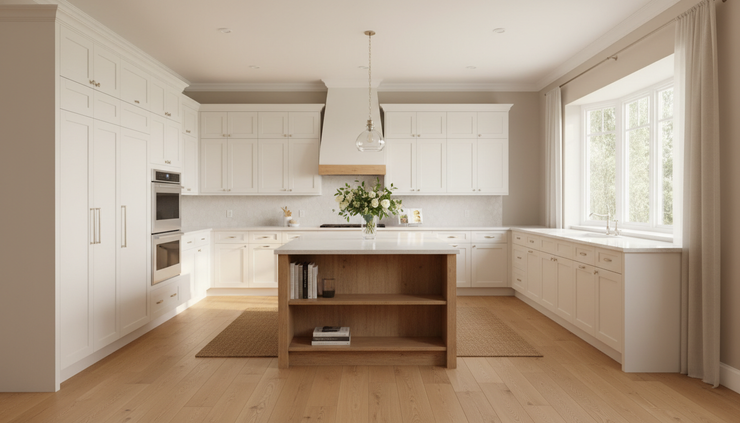
Start by clearing the counters and cabinets
Clutter makes a kitchen feel smaller. It also pulls attention away from the counters, cabinets, backsplash, and layout. Before listing photos or showings, remove anything that does not need to be seen.
Keep only a few useful or attractive items out. A coffee maker, a wood cutting board, or a bowl of fresh fruit can work. Too many appliances make the space feel busy.
Focus on these areas first:
Countertops Clear mail, keys, dish racks, paper towels, vitamins, and extra appliances.
Cabinets Pack away mugs, mismatched dishes, duplicate pans, and rarely used gadgets.
Pantry Remove expired items. Group dry goods in neat rows or simple bins.
Refrigerator Take down magnets, photos, school papers, and calendars.
Under the sink Toss old cleaners and organize what remains in one caddy.
Buyers open drawers and cabinets. Give them space to see storage. Aim to leave cabinets about two-thirds full. That makes storage feel generous.
If the kitchen still feels tight, pack early. Box up seasonal dishes, extra bakeware, and specialty tools. A moving box in storage is better than a crowded cabinet during a showing.

Deep clean the places buyers check
A clean kitchen signals good maintenance. Dirt, grease, odors, and stains can raise doubts. Buyers may wonder what else has been ignored.
Start with a top-to-bottom clean. Work from high surfaces to low ones. Do not skip hidden areas.
Use this checklist:
Area | What to clean |
Cabinets | Doors, handles, corners, and inside shelves |
Appliances | Oven, stovetop, microwave, dishwasher, and refrigerator |
Sink | Faucet, drain, disposal, caulk line, and basin |
Floors | Grout lines, corners, and under movable items |
Lighting | Fixtures, bulbs, glass shades, and switches |
Walls | Grease marks, scuffs, and splatters |
Pay close attention to smells. Empty the trash before every showing. Run the disposal with a small amount of citrus peel if the disposal is clean and working well. Avoid heavy perfume sprays. Strong scents can make buyers think you are covering something.
Clean windows and glass doors, too. More light makes the kitchen feel fresher. It also helps listing photos look better.
Use neutral colors and simple decor
Neutral colors help more buyers picture their own style in the home. Bright paint, bold wallpaper, and very personal decor can distract from the room itself.
A kitchen does not need to feel plain. It should feel calm and easy to move into.
Good neutral choices include:
Soft white
Warm beige
Light gray
Greige
Pale taupe
Muted sage, used lightly
If your walls are dark or bold, a fresh coat of neutral paint can make a strong difference. Paint is one of the simpler updates before a sale. It can brighten the room and make cabinets, counters, and flooring look better.
Use decor with care. Set out one or two pieces that add warmth. Try a small plant, a clean runner, a simple fruit bowl, or fresh towels in a neutral color. Remove signs, themed items, and family-specific decor.
The goal is not to erase personality. The goal is to make the kitchen easy for buyers to imagine as their own.

Make minor repairs and smart upgrades
Small defects stand out during showings. Loose handles, burned-out bulbs, chipped paint, and dripping faucets can make a buyer question the home’s condition. Fix these before the first showing.
Start with repairs that are low cost and visible:
Tighten cabinet pulls and door hinges.
Replace missing or damaged knobs.
Repair loose or cracked outlet covers.
Touch up chipped paint on trim and walls.
Re-caulk around the sink if the caulk is stained or cracked.
Fix leaky faucets.
Replace burned-out bulbs.
Clean or replace stained grout where needed.
Then look at simple upgrades. Choose updates that match the home’s price point and style. Do not overspend on a kitchen remodel right before selling unless a trusted local real estate professional advises it.
Useful upgrades often include:
New cabinet hardware
Modern pulls can refresh older cabinets fast.
Updated faucet
A clean, simple faucet can make the sink area feel newer.
Fresh light fixtures
Good lighting helps the kitchen feel bright and current.
Neutral backsplash touch-ups
Repair damaged tiles or stained grout before photos.
New outlet covers
Clean covers are inexpensive and make walls look cared for.
If appliances are very old or damaged, talk with a real estate professional before replacing them. In some markets, buyers expect updated appliances. In others, seller credits or pricing may make more sense.

Stage the kitchen for light, warmth, and comfort
Staging helps buyers feel good in the room. The best kitchen staging looks natural. It does not feel forced.
Start with lighting. Open blinds and curtains before photos and showings. Turn on every kitchen light. Replace dim bulbs with matching warm white bulbs. If one corner feels dark, add an under-cabinet light or a small lamp if the layout allows it.
Scents matter, too. Keep them light and clean. Fresh air is best. Open windows before a showing when weather permits. If you use scent, choose something mild, such as lemon, vanilla, or clean linen. Skip strong candles and plug-ins.
Set a simple scene. A folded towel near the sink, a bowl of apples, or a vase with greenery can make the kitchen feel lived in without feeling personal. Clear the sink before every visit. Put away sponges, scrub brushes, pet bowls, and cleaning bottles.
Before each showing, do a quick reset:
Wipe counters and the sink.
Sweep or vacuum the floor.
Empty the trash.
Turn on lights.
Open window coverings.
Check for odors.
Put away dishes.
Straighten towels and decor.
This routine takes a few minutes. It can protect the first impression you worked hard to create.

Finish with a buyer-focused walkthrough
Before your kitchen is photographed or shown, walk through it like a buyer. Enter from the main doorway. Notice what your eye goes to first.
Ask direct questions:
Does the room feel clean?
Do the counters look spacious?
Are cabinets and drawers neat inside?
Is anything broken, stained, or distracting?
Does the kitchen smell fresh?
Is the lighting bright enough?
Can a buyer picture cooking, gathering, and daily life here?
If the answer is no, adjust before showings begin. Small changes can make a big difference.
A prepared kitchen builds confidence. It tells buyers the home has been cared for. If you want help deciding which updates matter most before listing, contact CJ Houston Homes for guidance before you spend time or money.
A strong kitchen presentation does not require perfection. It requires clean surfaces, smart repairs, neutral style, good light, and a welcoming feel. Start there, and buyers will have fewer distractions and more reasons to remember the home.



Comments